

In today’s interconnected world, seamless internet access is non-negotiable, extending beyond the confines of indoor settings into our outdoor living spaces. Whether you’re working from a cozy backyard office, streaming music at a pool party, or ensuring your smart outdoor devices remain connected, the role of an outdoor WiFi antenna becomes crucial. But what exactly is this device, and how can it transform your outdoor connectivity experience?
An outdoor WiFi antenna is a powerful device designed to enhance and expand the reach of your WiFi network into outdoor spaces. Unlike standard indoor antennas, these are built to withstand environmental elements while providing stronger, more reliable connections over greater distances, ensuring seamless outdoor internet access.
Outdoor WiFi antennas stand apart from their indoor counterparts not just in durability, but in performance. They are specifically engineered to broadcast signals across large open areas—think backyards, parks, or even sprawling industrial sites—whereas indoor antennas are optimized for shorter, confined spaces like rooms or offices. This means that an outdoor antenna doesn’t just survive the rain or wind; it delivers robust, far-reaching coverage, making it ideal for anyone aiming to stay connected well beyond the four walls of a building.
But how exactly do these devices work, and why should you consider investing in one? Let’s delve into the mechanics, benefits, and selection process of outdoor WiFi antennas to help you make an informed decision.
How does an Outdoor WiFi Antenna Work?
The outdoor WiFi antenna connects to your router via a coaxial cable. It is typically mounted on a pole or wall outside your home or building to maximize signal strength and coverage.
When the antenna receives the WiFi signal from your router, it uses its built-in amplifier to boost the signal strength. This allows the signal to travel further and penetrate obstacles such as walls, trees, or other structures.
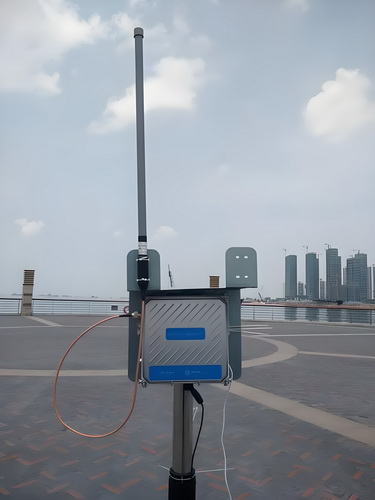
The amplified signal is then transmitted through the antenna’s radiating element, which can be either a single directional beam or multiple beams in different directions. In the case of a directional antenna, the signal is concentrated in a narrow beam, extending the WiFi coverage in that specific direction. With an omni-directional antenna, the signal is spread out in a 360-degree pattern, providing coverage in all directions.
Overall, the outdoor WiFi antenna improves the range and coverage of your WiFi network by capturing and amplifying the existing signal from your router.
Why Do Outdoor WiFi Antennas Need Weatherproofing, and How Are Their Coverage Patterns Different?
Outdoor WiFi antennas are designed to brave the elements, come rain, shine, or the occasional gusty wind. To achieve this, they’re constructed with weatherproof materials that shield the internal components from moisture, UV rays, and drastic temperature swings. Imagine placing your laptop on the porch and expecting it to work after a summer thunderstorm—not likely! That’s why robust weatherproofing is essential; it keeps signals strong and equipment functioning, regardless of what Mother Nature throws your way.
When it comes to coverage patterns, outdoor and indoor antennas follow very different blueprints. Indoor antennas are typically lower in power and intended to blanket close quarters, like a living room or a small office, with wireless coverage. Their focus is on broader coverage within a confined space, so they don’t need to send signals too far.
Outdoor antennas, on the other hand, are all about reach. They’re designed with higher gain, which means they can send WiFi signals further afield—perfect for covering a backyard, garden, or sprawling patio. Some models direct the signal in a narrow, targeted beam (directional), which is great for laser-focusing coverage out to a distant point, while others broadcast equally in every direction (omni-directional) to blanket large open spaces. This tailored approach helps ensure your WiFi network stays strong wherever your outdoor adventures take you.
What are the Benefits of Using an Outdoor WiFi Antenna?
Investing in an outdoor WiFi antenna offers several advantages:
Improved Performance: Outdoor WiFi antennas can provide faster internet speeds and reduce latency.
Reduced Interference: By moving the antenna outside, you can minimize signal interference from walls, furniture, and other obstacles.
Cost-Effective Solution: Instead of investing in multiple access points, you can use a single outdoor antenna to cover a larger area.
Flexibility: Outdoor WiFi antennas can be adjusted and positioned to optimize signal strength and coverage.
Scalability: If you need to expand your network in the future, outdoor antennas can easily be added to provide coverage to new areas.
Security: By extending your WiFi network outside, you can ensure a secure and encrypted connection for your outdoor devices.
Improved Streaming and Gaming: With a stronger and more stable WiFi signal, you can enjoy uninterrupted streaming and gaming experiences in your outdoor spaces.
Increased Productivity: Outdoor WiFi antennas enable you to work or study in your garden or patio, providing a change of scenery and fresh air while staying connected.
How to Choose the Best Outdoor WiFi Antenna for Your Needs?
Selecting the right outdoor WiFi antenna involves considering several key factors:
Range Requirements: Assess the coverage area to determine the necessary range.
Antenna Type: Decide between directional or omni-directional based on your spatial needs.
Compatibility: Ensure the antenna is compatible with your existing WiFi equipment.
Installation Ease: Look for antennas that offer straightforward mounting and setup.
Signal Strength: Consider the gain of the antenna to ensure it provides the necessary signal strength.
Weatherproofing: Look for antennas that are designed to withstand outdoor conditions.
This includes features such as waterproof enclosures to protect against rain, snow, and dust, as well as UV-resistant materials that prevent degradation from long-term sunlight exposure. Durable construction is also important—choose antennas made from corrosion-resistant materials like galvanized steel, aluminum, or stainless steel to ensure longevity even in harsh weather. These qualities help protect the antenna’s electrical components and maintain consistent performance, keeping your connection reliable no matter the season.
Connector Types and Frequency Bands: Before purchasing, double-check that your chosen antenna matches both the connector type and the frequency bands supported by your router or access point. Routers from brands like Netgear, TP-Link, or ASUS often use different connector standards—such as SMA, N-type, or RP-SMA—so it pays to confirm compatibility upfront to avoid frustrating installation surprises.
Equally important is frequency band support. Some antennas cover only the 2.4 GHz range, while others handle both 2.4 GHz and 5 GHz bands (dual-band). Opting for an antenna that supports the right frequency bands ensures your entire assortment of devices—whether they’re older laptops or the latest smartphones—can connect smoothly. Ensuring both connector and band compatibility gives you maximum flexibility, reliability, and future-proofing for your outdoor WiFi setup.
UV Protection: Outdoor WiFi antennas spend all day under the sun, so it’s crucial that they’re made with UV-resistant materials. Without this protection, prolonged exposure to sunlight can weaken the antenna’s housing, causing cracks, brittleness, and fading. Over time, this not only impacts its appearance but also its performance and lifespan. To ensure your antenna keeps working reliably year after year—come rain or shine—look for models designed to withstand harsh UV rays.
Budget: Set a budget and look for antennas that fit within that range.While it may be tempting to go for the least expensive option, investing a bit more in a higher-quality antenna can pay off in the long run. Premium models often feature better weatherproofing, advanced materials, and higher gain, all of which contribute to enhanced performance and longer lifespan. Consider the balance between cost and quality to ensure your network gets the reliable coverage it needs.
Customer Reviews: Read reviews from other customers to get an idea of the antenna’s performance and durability.
Warranty: Check the warranty offered by the manufacturer to ensure you are protected in case of any issues.
Technical Support: Consider the availability of technical support from the manufacturer in case you need assistance with installation or troubleshooting.
By considering these factors, you can choose the best outdoor WiFi antenna that meets your needs and provides reliable and high-speed internet connectivity for your outdoor space.
Installation Tips for Outdoor WiFi Antennas
For optimal performance, follow these installation tips:
Strategic Placement: Elevate the antenna for unobstructed signal distribution.
Proper Mounting: Securely mount the antenna to withstand weather conditions.
Weatherproofing: Protect connections against moisture and extreme temperatures.For added durability, consider housing your outdoor antenna and its connections in a waterproof enclosure made from tough materials like polycarbonate, aluminum, or stainless steel. These enclosures help keep out rain, snow, dust, and other impurities, reducing the risk of electrical hazards and extending the lifespan of your antenna by shielding its sensitive components from harsh outdoor elements.
What materials are recommended for durable and weather-resistant outdoor antenna mounts?
When it comes to mounting your outdoor WiFi antenna, choosing the right materials is crucial for longevity and reliability. Opt for mounts made from corrosion-resistant metals such as galvanized steel, aluminum, or stainless steel. These materials are specifically designed to withstand harsh outdoor elements, including rain, wind, and temperature fluctuations. Not only do they resist rust and deterioration, but they also provide the sturdy support needed to keep your antenna securely in place year-round. Using high-quality, weatherproof hardware will ensure your installation stays safe and effective for years to come.
Cable Length: Keep cable lengths as short as possible to minimize signal loss.
Line of Sight: Ensure there is a clear line of sight between the antenna and the devices it will be connecting to.
Signal Interference: Avoid placing the antenna near other electronic devices that may cause signal interference.
Orientation: Adjust the antenna’s orientation for the best signal strength and coverage.
Regular Maintenance: Periodically check and clean the antenna to ensure optimal performance.
How Can I Boost My Outdoor WiFi Signal?
Here are some steps you can take to boost your outdoor WiFi signal:
1. Position your router properly: Place your router in a central location, away from obstacles such as walls or furniture, to maximize coverage.
2. Use an outdoor WiFi antenna: Upgrade to a high-gain or directional antenna for your router. These antennas can help focus the signal in the desired direction and increase the range.
3. Install a WiFi repeater or extender: These devices can be placed between your router and the outdoor area you want to cover. They receive the WiFi signal from your router and rebroadcast it, extending the range.
4. Consider a mesh network: Mesh networks consist of multiple WiFi access points that work together to provide seamless coverage. They can be especially useful for large outdoor areas. Each access point in the mesh network communicates with the others, ensuring a strong and consistent WiFi signal throughout the area.
5. Use a WiFi booster or amplifier: WiFi boosters or amplifiers can increase the power of your WiFi signal, providing better coverage and range. They connect to your router and amplify the signal, allowing it to reach further.
6. Optimize your WiFi channel: Use a WiFi analyzer tool to determine the least congested channel in your area. Changing to a less crowded channel can improve your signal strength and reduce interference from neighboring networks.
7. Upgrade your router: If you have an older router, consider upgrading to a newer model that supports the latest WiFi standards. Newer routers often have better range and signal strength.
8. Protect your router from the elements: If your router is located outdoors, make sure it is protected from rain, snow, or extreme temperatures. Consider using a weatherproof enclosure or housing for your router.
9. Reduce interference: Keep your router away from other electronic devices that can cause interference, such as cordless phones, microwaves, or Bluetooth devices.
10. Use a WiFi analyzer app: Install a WiFi analyzer app on your smartphone or tablet to help you identify dead spots or areas with weak signal strength. This can assist you in finding the best location for your router or WiFi extender.
Remember to check your internet service provider’s terms of service and any local regulations before making any changes to your WiFi setup, especially if you live in an apartment complex or shared community.
Do Outdoor WiFi Antennas Work?
Outdoor WiFi antennas work by extending the range and improving the signal strength of a WiFi network. They are designed to be mounted outside, usually on a rooftop or a pole, and are equipped with high-gain antennas that can transmit and receive WiFi signals over longer distances.
The main advantage of using an outdoor WiFi antenna is that it allows you to connect to a WiFi network that would otherwise be out of range. This is especially useful in areas where the WiFi signal is weak or obstructed by walls, trees, or other obstacles.
Benefits of Using an Outdoor WiFi Antenna
Outdoor WiFi antennas offer several notable benefits:
- Extended Range and Coverage: These antennas can cover large properties—including farms, industrial sites, or recreational areas—where a reliable internet connection is essential. They are especially helpful for reaching areas that were previously unreachable with standard indoor routers.
- Improved Signal Strength: By boosting your signal, outdoor antennas help reduce dead spots and minimize interference from physical obstacles or electronic devices. The result is faster speeds, lower latency, and a more consistent connection even in challenging environments.
- Reliable Internet in Difficult Spots: Outdoor WiFi antennas are a practical solution for rural areas, large homes, or properties with complex layouts. They help bridge the digital gap by delivering dependable internet access where it’s needed most.
- Support for Multiple Devices: Many outdoor WiFi antennas are designed to handle multiple devices at once, so you can connect laptops, smartphones, cameras, and more—without sacrificing speed or reliability.
Outdoor WiFi antennas can also help improve the speed and reliability of your WiFi connection. By boosting the signal strength, they can reduce the chances of interference and improve the overall performance of your network.
Additionally, outdoor WiFi antennas are often designed to support multiple devices simultaneously. This means that you can connect multiple devices to the antenna without experiencing a decrease in speed or reliability.
Overall, outdoor WiFi antennas are an effective solution for extending the range and improving the performance of your WiFi network outdoors. They can be particularly useful for outdoor activities, such as camping, RVing, or hosting events, where a strong and reliable WiFi connection is desired.
Long-range WiFi Antenna Outdoor Types
There are several types of long-range WiFi antennas that are commonly used in outdoor settings. Here are some of the most popular options:
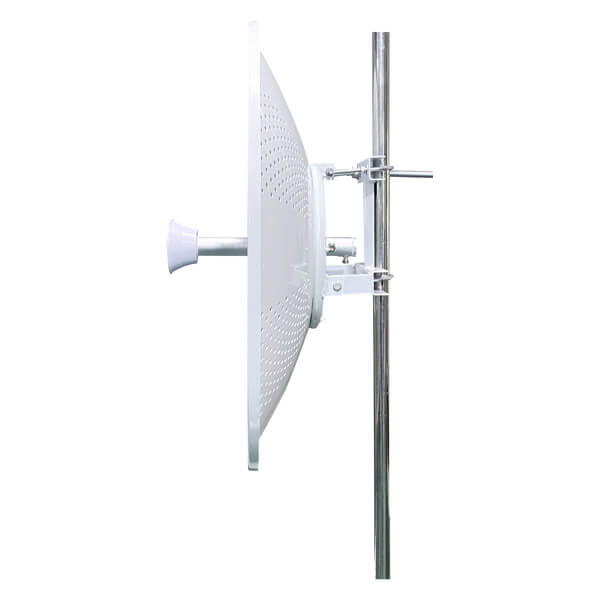
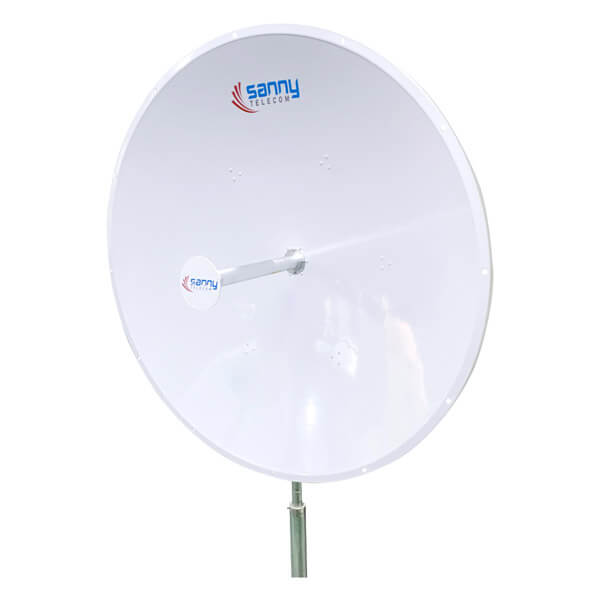
1. Parabolic Dish Antennas: Parabolic dish antennas are large, curved reflector dishes that focus WiFi signals into a narrow beam. They are highly directional and can provide long-range coverage. Parabolic dish antennas are commonly used for point-to-point links over several miles.
These antennas work by directing radio waves to a central feed element, which helps maximize signal strength and minimize interference, making them ideal for long-distance communication.
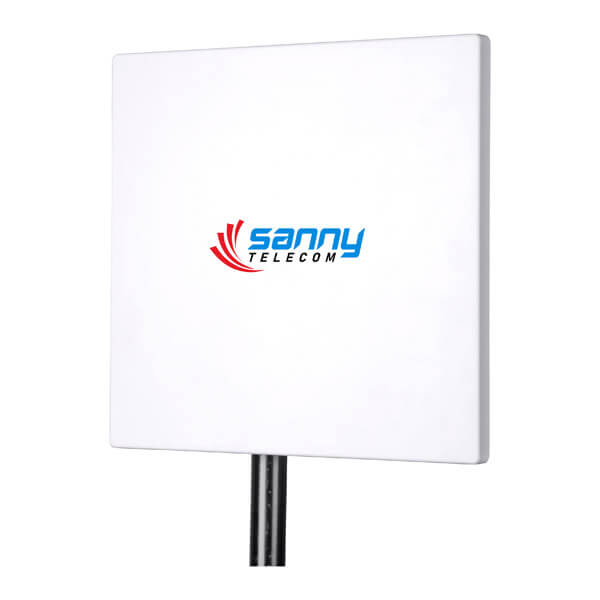
3. High Gain Panel Antennas: Panel antennas are flat, rectangular antennas that provide a wider beamwidth compared to yagi or dish antennas. They are often used in point-to-multipoint setups where coverage needs to be provided in multiple directions. Panel antennas are less focused than yagi or dish antennas but still offer good long-range coverage.These antennas are especially useful for extending WiFi to outdoor spaces like patios, decks, or front yards, providing a robust and stable signal over a moderate distance
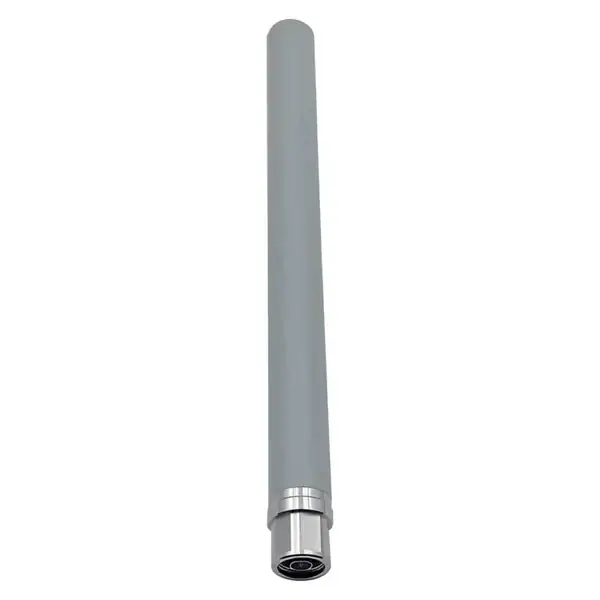
Fiberglass Omnidirectional Antennas: These antennas broadcast signals in a full 360-degree pattern, making them excellent for covering large outdoor areas such as parks or recreation spaces. Mounted high on poles, fiberglass omnidirectional antennas are weatherproof and durable, delivering consistent performance in all directions.
Yagi WiFi Antennas: Yagi antennas are directional, focusing the WiFi signal in a specific direction. They are ideal for targeting distant locations or reducing interference from unwanted sources. Characterized by their array of parallel elements (including a reflector and driven element), yagi antennas can significantly improve signal strength and quality for long-range, point-to-point connections.
Sector WiFi Antennas: Sector antennas provide coverage in a specific sector or wedge-shaped area. Commonly used in wireless communication systems where coverage needs to be directed over a wide horizontal area but limited vertically, sector antennas help minimize interference between neighboring networks and are great for covering distinct outdoor zones.
When choosing a long-range WiFi antenna for outdoor use, it’s important to consider factors such as the distance you need to cover, the directionality required, and the specific environment in which the antenna will be installed.Each antenna type offers unique benefits, so matching the right one to your outdoor setup can make all the difference in achieving strong, reliable connectivity.
In summary, outdoor WiFi antennas are a great way to improve internet connection outside. By learning how they work, their advantages, and how to install them, you can make the most of your outdoor spaces for work and play. If you want to upgrade your outdoor internet experience, check out outdoor WiFi antennas and get ready for better connectivity.
 English
  Spanish
  German
  French (France)
  Korean
  Russian
  Indonesian
  French (Canada)
  Vietnamese
  Armenian
  Albanian
  Assamese
  Acehnese
  Amharic
  Czech
Czech  Bulgarian
  Cebuano
  Malayalam
  German (Switzerland)
  Japanese
  Dutch
Dutch